
Gear buying guides
Buying guides for the way people actually live
Gear helps readers compare fashion, beauty, family, home, work, travel, and everyday products by the job they need to do. The current library begins with women’s fashion and beauty and expands category by category as the evidence supports it.
Women
Fashion, workwear, bags, beauty, layering, and everyday wardrobe decisions.
Men
Style, grooming, work, travel, accessories, and practical everyday gear.
Kids and family
School, clothing, comfort, travel, safety, and household decisions.
Home and household
Products compared by space, maintenance, durability, safety, and routine fit.
Work and travel
Carry systems, desks, clothing, accessories, and the load a product must handle.
Editorial method
Start with the use case, compare the evidence, and understand the tradeoffs.
Gear Editorial Team
Build the look. Choose with confidence.
Evidence-led buying guides for the pieces and products that make a routine work: base layers, workwear, bags, travel gear, beauty, household items, and the details that pull everything together.
Start with a decision
Choose the situation before choosing the product.
Current editorial starting points
Published Gear guides
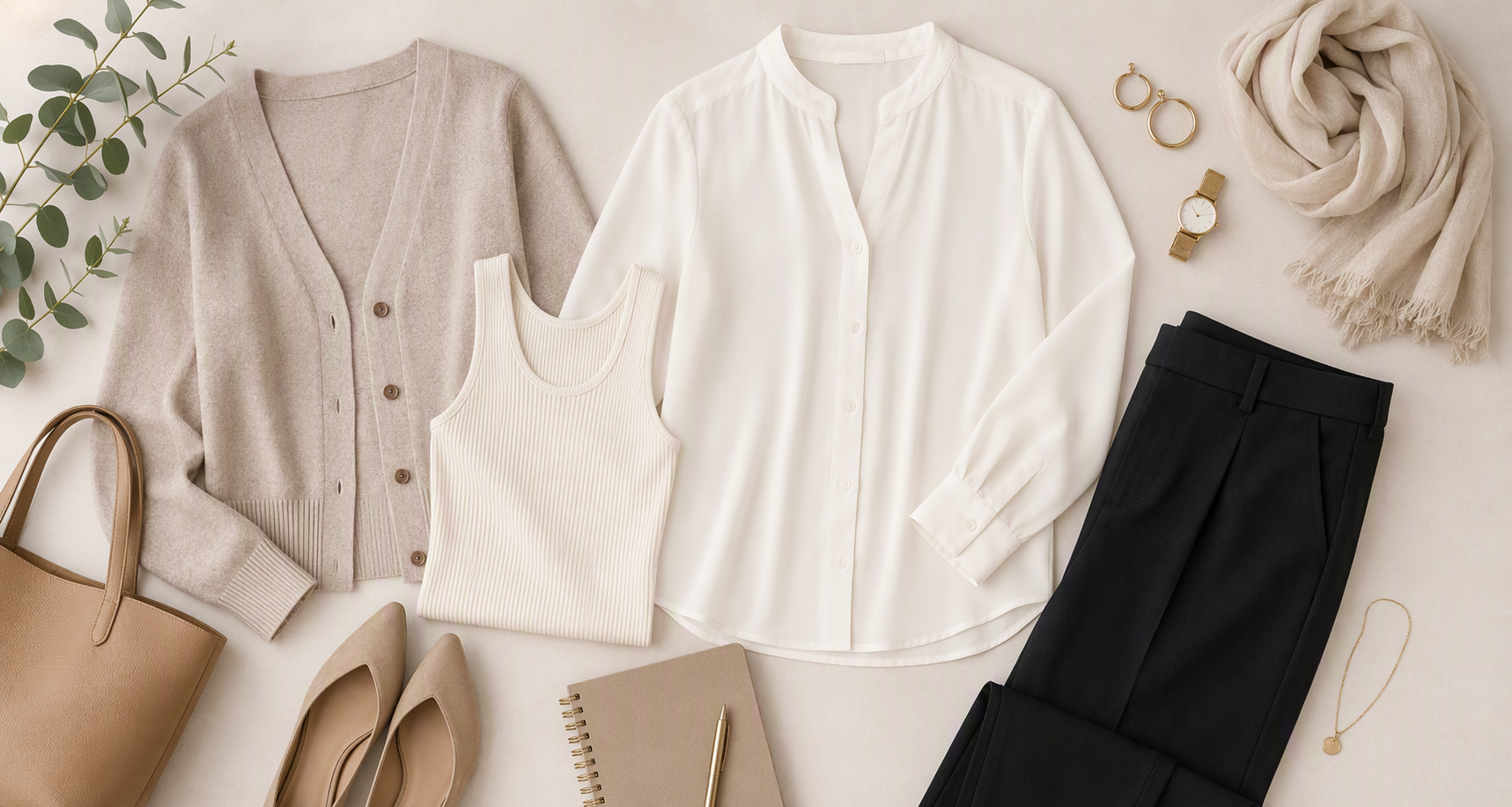
Workwear
Best Work Blouses for Women: Office-to-Weekend Picks
Compare work blouses by office formality, neckline, sleeve, fabric, layering role, and work-to-weekend versatility.
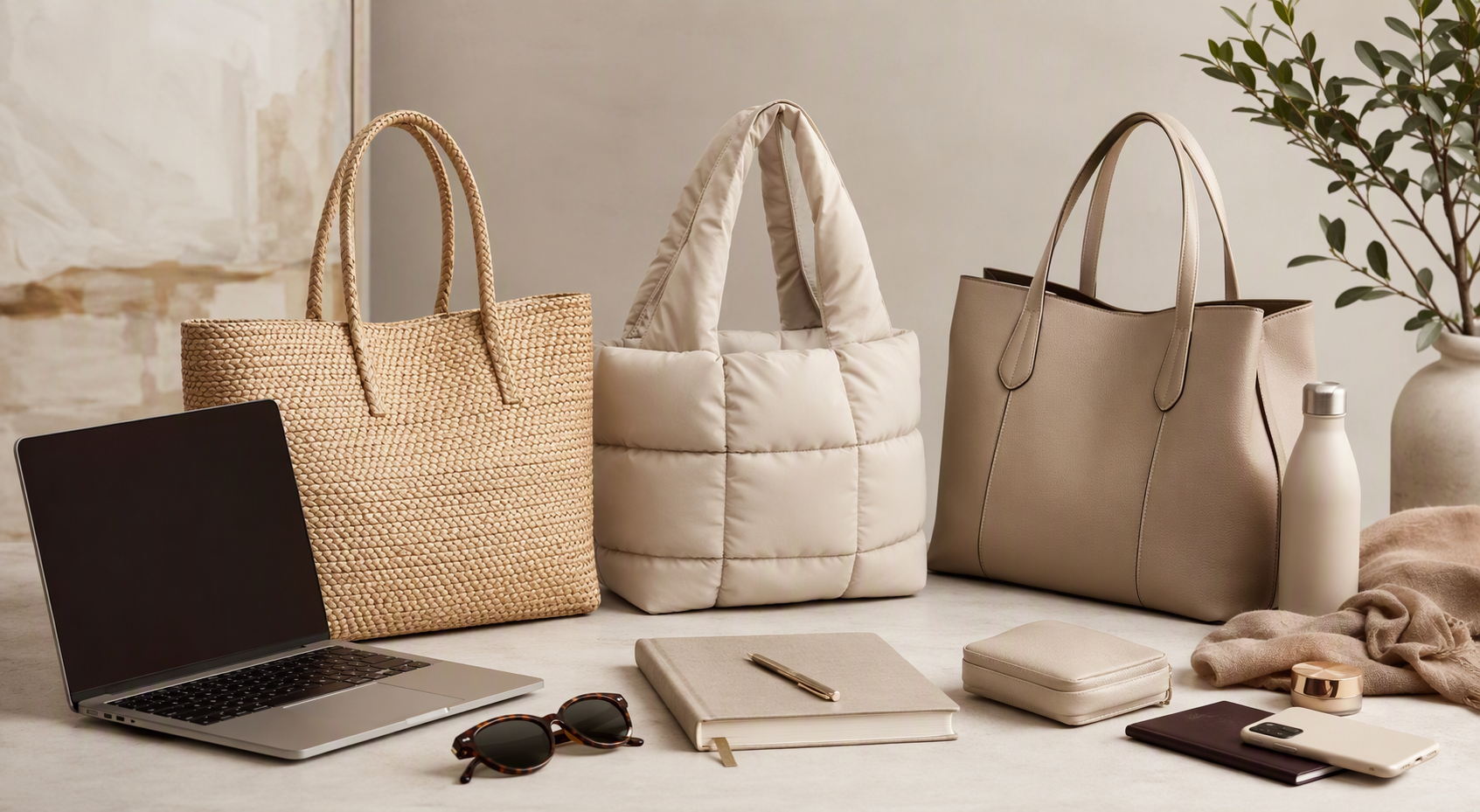
Work and travel
Best Tote Bag for Women: Work, Travel, and Everyday Picks
Compare laptop-ready work totes, oversized weekenders, woven everyday bags, and lightweight gift-friendly options.

Beauty
Best Long-Lasting Perfume for Women: Four Fragrance Picks
Compare spray and roll-on formats by wear context, fragrance profile, travel, and gifting.
Coming next
New guides are released in a measured sequence.
Useful before it is commercial
Gear is an independent editorial buying-guide publication. We use supplied product evidence and current public listing information to compare formats, use cases, variation risk, care, and tradeoffs. Marketplace signals help shape a shortlist; they are not proof that a product is objectively best.