
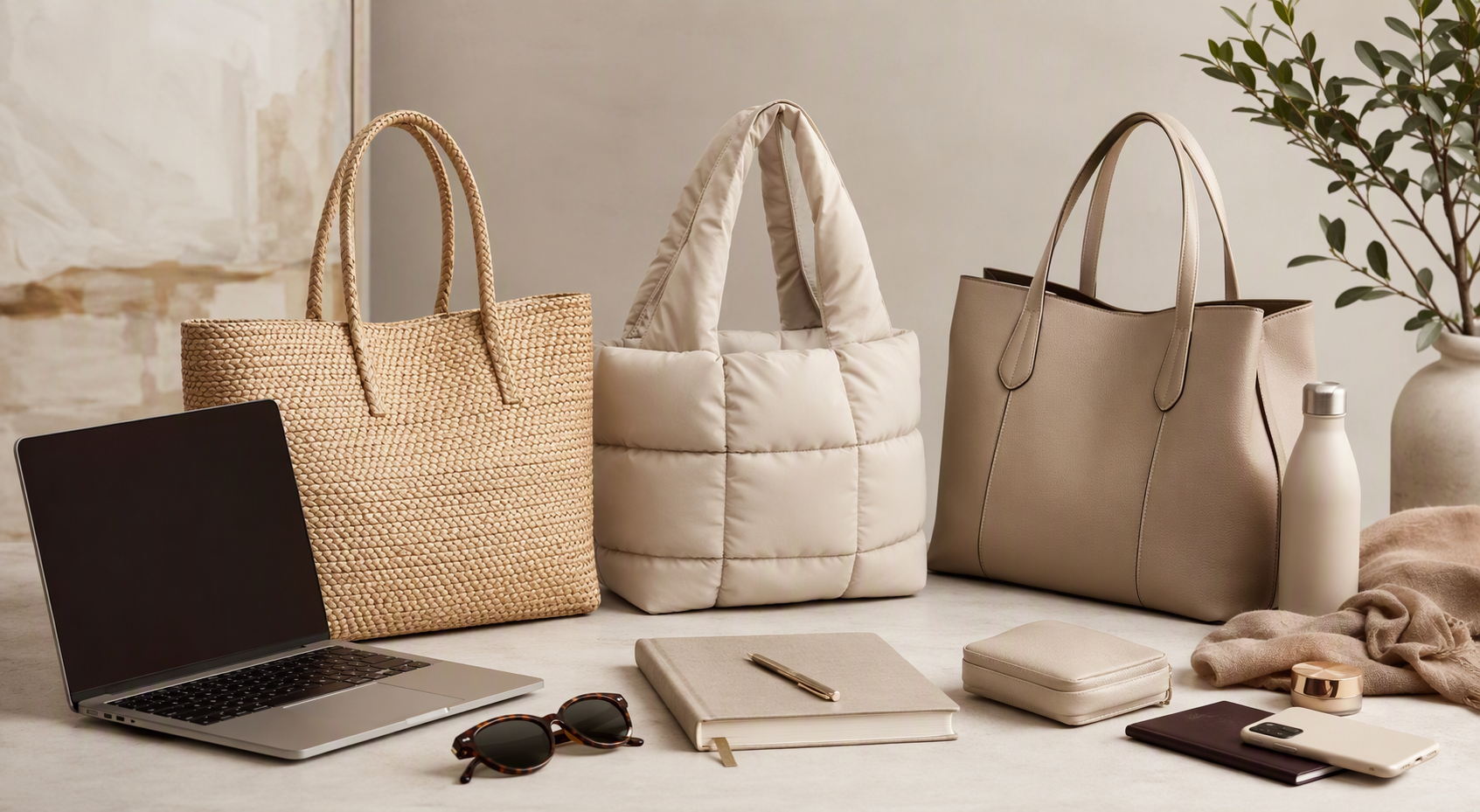
If you are choosing a work bag for your day, start with your actual carry, laptop dimensions, commute, access needs, comfort, and the tradeoffs you can live with.
Gear’s decision lens: The decision here is about daily load, device protection, capacity, organization, closure, carrying comfort, care, and whether the bag still works when the day changes. Read how Gear researches guides and review the affiliate disclosure.
A work bag for women, a laptop work bag, a work tote with compartments, and a travel-friendly carry system may look similar online while serving different routines. Choose the construction that matches the load you carry repeatedly.
How to Choose a Work Bag: Quick Decision Guide
Imagine You Are…
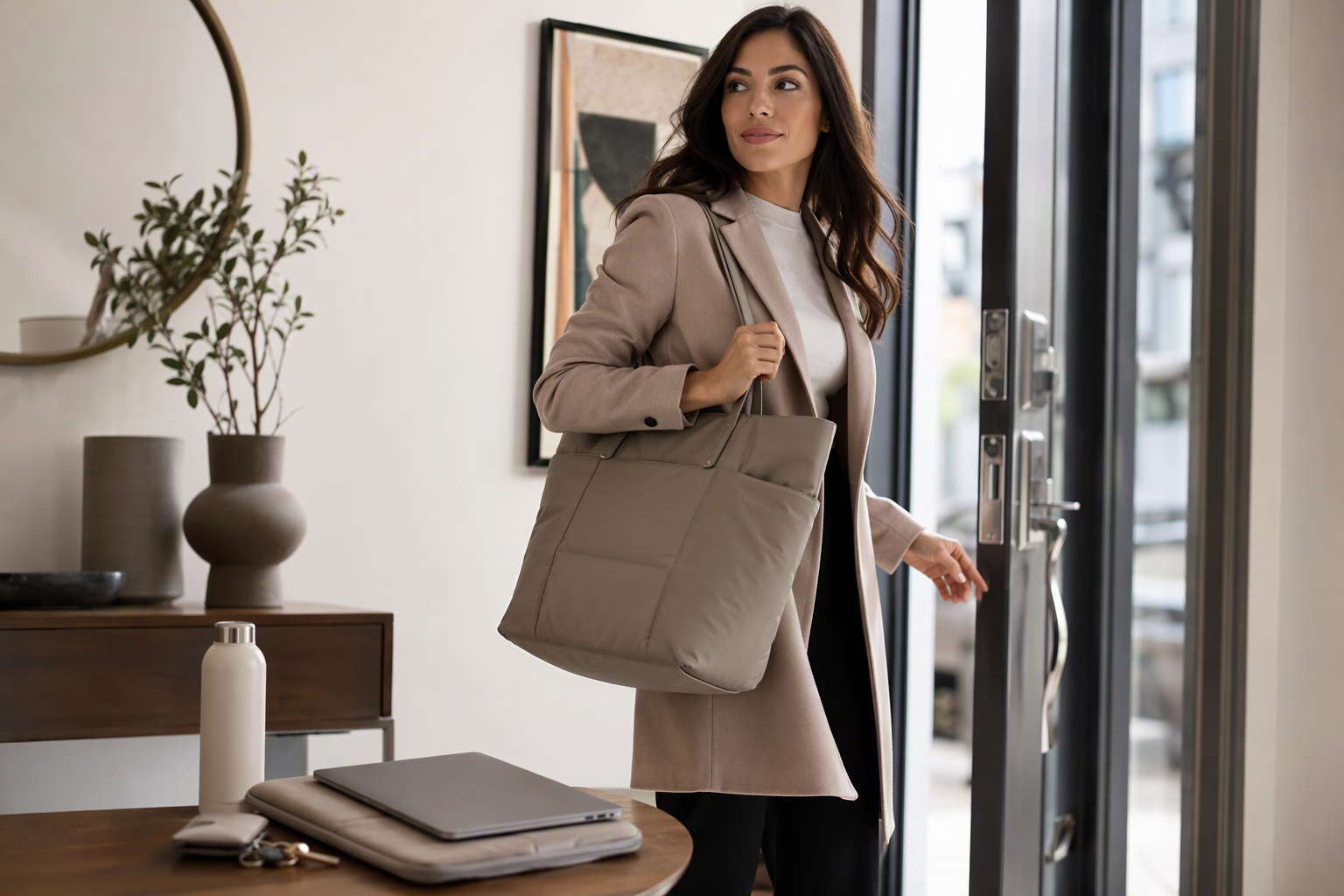
Leaving for work with a laptop, charger, notebook, water bottle, lunch, keys, and one extra layer. The bag looks good in the product photo, but it needs to close, stay comfortable, protect the device, and remain usable when the commute takes longer than expected.
The right work bag is not simply the largest tote or the most polished shape. It is the bag that supports your real load without creating a new problem in weight, organization, access, or care.
The current US keyword study shows strong commercial competition around work bag for women, work tote bag, laptop work bags, and bags with compartments. A useful guide therefore needs to explain the construction and tradeoffs rather than repeat “best work bag” without a reason.
Work Bags Compared at a Glance
Use the matrix to identify the role you need. Capacity, pockets, laptop fit, comfort, travel compatibility, and styling should be compared together because improving one can change another.
Last checked: October 4, 2026
Keyword data can identify demand around work bags, but it does not prove comfort, durability, or fit. Gear uses available specifications and listing information; verify the live product page before ordering.
Commercial boundary: This educational guide contains no affiliate product links. Product-specific Gear pages disclose commercial relationships separately.
| Work-bag factor | Question to answer | Tradeoff to understand | Evidence to verify |
|---|---|---|---|
| Capacity | What must fit every day? | More capacity often means more weight and less structure. | Internal dimensions, litres, and base shape. |
| Laptop protection | Is the compartment correctly sized and padded? | A separate sleeve can add protection but use space. | Device dimensions, padding, opening, and closure. |
| Organization | Do you need pockets or flexible open space? | More pockets can make packing less adaptable. | Number, placement, zipper, and pocket dimensions. |
| Carrying comfort | Can you carry it through the real commute? | Long straps, structure, and weight affect shoulder comfort. | Handle drop, strap width, bag weight, and carry modes. |
| Travel use | Does it work with a suitcase or personal item? | Travel features can make a bag look less formal. | Luggage sleeve, closure security, and packed dimensions. |
Match the Bag to Your Carrying Style
These formats are not interchangeable. Start with the load and commute, then decide how much structure, access, and style you need.
Laptop commute or office-heavy day
Choose a structured or padded option with verified device dimensions. Separate compartments and a secure closure are useful when documents and smaller essentials need to stay findable.
Watch-out: A more organized office shape may feel heavier or less casual when the day moves beyond work.
One organized bag for work, travel, and everyday use
Choose a balanced tote or carry system with capacity, zipper security, multiple pockets, and a comfortable alternate carry mode. It should handle a jacket or lunch without becoming a bottomless bag.
Watch-out: A do-most-things bag can be a compromise in both formal appearance and weight.
Weekend trip or flexible packing
Choose open capacity and a durable base when clothing and accessories matter more than separation. A large weekender shape can be practical when the load changes from day to day.
Watch-out: One large compartment is less convenient for a highly organized laptop commute.
Lightweight everyday or gift-friendly carry
Choose a lighter format with practical pockets and flexible shoulder or crossbody use. This can be easier for casual routines and uncertain recipients.
Watch-out: A lightweight casual bag may not provide the laptop protection or formal look required for office use.
What to Check Before Buying a Work or Travel Bag
A laptop fit is not automatically a padded laptop compartment
A listing that says a bag fits a 15.6-inch laptop tells you about device size, but it does not by itself confirm a dedicated padded sleeve. Check the exact product-page dimensions and interior layout before buying, especially if laptop protection is a priority.
Choose the closure for the way you carry
A zipper can suit shoppers who want a more enclosed setup for work or travel. A magnetic closure can be simpler to use, but it offers a different level of containment. Weigh the closure against your commute, transit, and how often you access the bag while moving.
More pockets versus more open packing space
More pockets help separate a laptop, notebook, and small items. A larger open compartment is more adaptable for clothing, accessories, and flexible weekend packing. Choose organization for a structured workday, or openness when the bag needs to act more like a weekender.
Verify the exact size and color variant
Check the selected variant on the product page rather than assuming every color has identical dimensions or interior details. This matters when you need a specific laptop fit or are choosing between a compact everyday bag and a larger travel option.
Think about care and storage
Work bags collect more wear than occasional bags. Check whether the lining can be wiped, whether the material has care instructions, and whether the bag should be stuffed, hung, or stored flat. Do not assume a coated or leather-look finish is maintenance-free.
Calculate the Real Daily Load
Start with the items that leave home on an ordinary day, not the largest load you might carry once. Write down the laptop and charger, notebook, water bottle, lunch, headphones, keys, wallet, medication, makeup, jacket, and any work-specific item. Then separate daily essentials from occasional extras.
| Carry type | Typical contents | Bag question | Failure risk |
|---|---|---|---|
| Light commute | Small laptop or tablet, charger, notebook, wallet, phone. | Can the bag stay organized without excess volume? | A large bag encourages overpacking. |
| Full workday | Laptop, charger, notebook, lunch, water, layer, personal items. | Do the dimensions and base support the load? | Weight and shoulder pressure accumulate. |
| Work plus travel | Work kit plus clothing, toiletries, or a second pair of shoes. | Does the bag complement luggage or become a second suitcase? | Capacity can reduce organization and formality. |
If you cannot estimate the load, a capacity claim is not enough. Compare the bag with objects you already own and consider the weight of the contents, not only the empty bag.
Tote, Backpack, and Structured-Bag Paths
Choose a tote when access and style lead
A tote can offer fast access and a polished work-to-weekend shape. Check handle drop, shoulder strap width, closure, base, laptop protection, and how the bag sits against a coat or bulky layer.
Choose a backpack when weight distribution leads
A backpack may distribute a heavier commute more evenly, but its structure, straps, laptop compartment, and appearance need to suit the workplace. A travel backpack is not automatically an office backpack.
Choose a structured bag when organization leads
Structured bags can keep documents and devices separated, but they may add weight and make flexible packing harder. Match the organization level to the items you carry repeatedly.
Bag Proportion, Weather, and Outfit Logic
Bag proportion changes the outfit. A large soft tote can balance a fitted work outfit but overwhelm a small frame; a compact structured bag can sharpen a relaxed outfit but fail the daily load. Check scale beside the coat, trouser, shoe, and layer you will actually wear.
Weather protection also matters. Verify the material, closure, base, lining, and care instructions rather than assuming a coated or leather-look finish is waterproof. A rain cover, pouch, or luggage sleeve may solve a specific travel problem without requiring a different bag for every trip.
Frequently Asked Questions
What is the best work bag for a laptop?
The best option depends on laptop dimensions, padding, daily carry, commute length, and comfort. Check the compartment measurements rather than relying on the phrase laptop-friendly.
Is a tote or backpack better for work?
A tote may offer faster access and a traditional office look. A backpack can distribute weight more evenly. Your commute, laptop, dress code, and shoulder comfort should decide.
How many pockets should a work bag have?
Enough to keep essentials findable, but not so many that flexible packing becomes difficult. A pouch can add organization to an open tote.
What should I check before buying a work tote?
Check internal dimensions, laptop protection, handle drop, closure, base, material, weight, return terms, and whether the bag fits your actual daily load.
Does Gear directly examine every work bag?
No. Gear explains the available product evidence and its limitations rather than presenting marketplace data as direct product examination.
Work Bag Checklist
- Measure the laptop and largest daily item.
- Compare capacity, pockets, closure, and device protection.
- Estimate the carry time and match the strap or handle options.
- Review material care, seller, variant, and returns.
Read the published tote-bag comparison or explore the Gear buying-guide hub.