
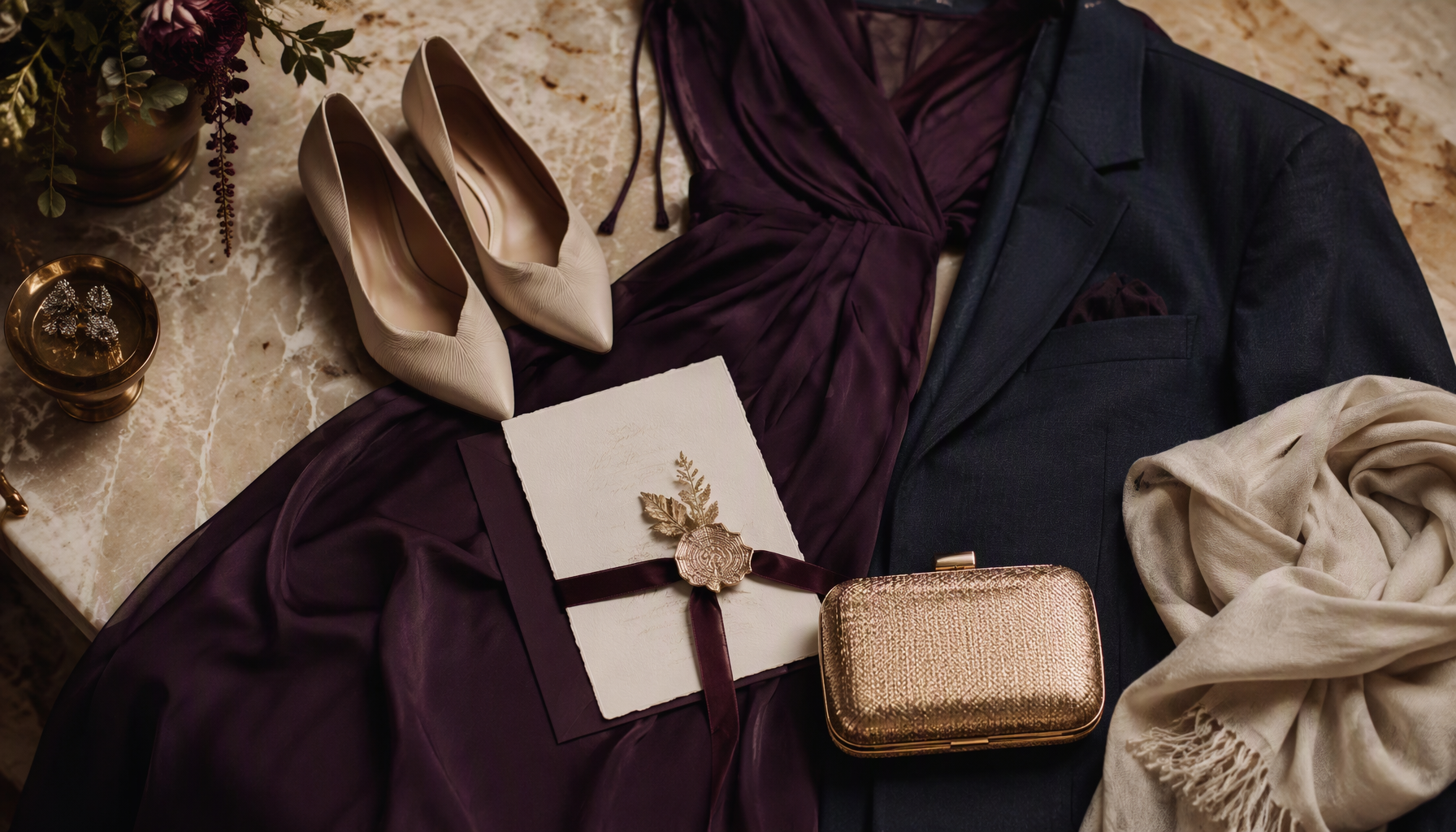
If you are deciding what to wear to a cocktail or semi-formal event as a woman, start with the invitation, venue, role, weather, movement, and the fit or comfort details this audience needs to manage.
Gear’s decision lens: The decision here is about formality without overbuying: choose a base that meets the event, then adjust the styling rather than purchasing an outfit for one narrow label. Read how Gear researches guides and review the affiliate disclosure.
Cocktail attire can be social and fashion-forward, while semi-formal dressing often needs a quieter interpretation. Both depend on the event, venue, season, and what you can wear comfortably for several hours.
Women’s Fit, Coverage, and Movement Checks
Use the occasion brief and your own wardrobe as the starting point. Check neckline, coverage, shoulder and waist fit, fabric opacity, bra or base-layer compatibility, shoe security, sitting, walking, and whether the layer still works when the temperature changes.
- Confirm measurements rather than relying on a model photo or size label.
- Check coverage, transparency, strap or neckline behavior, and how the outfit sits when you move.
- Test the complete outfit with shoes, bag, layer, and the actual route before the event.
- Review care, delivery, variant, and return terms before ordering.
Cocktail vs Semi-Formal: What to Wear: Quick Decision Guide
Imagine You Are…
The invitation says cocktail, but the event is an early evening work celebration at a hotel. A highly formal evening outfit may feel excessive, while an everyday office look may feel underdressed. The useful middle is a polished base with intentional accessories and a practical layer.
Start with the actual use case, then compare fit, maintenance, movement, and return risk. Start with the use case, then narrow the formality, fit, maintenance, and return risk.
Gear uses available evidence and explains what remains uncertain. This guide is not a universal rulebook, and it does not present marketplace information as direct product examination.
Decision Matrix
Last checked: October 4, 2026
Keyword demand can help prioritize a question, but it cannot prove fit, comfort, durability, or event suitability. Verify the live product and venue information before ordering.
Commercial boundary: This educational guide contains no affiliate product links. Commercial Gear comparison pages disclose relationships separately.
| Situation | Decision lane | Useful starting point | Watch-out |
|---|---|---|---|
| Cocktail | Dressy social | Tailoring, texture, intentional accessories | Avoid confusing dramatic with appropriate |
| Semi-formal daytime | Polished but restrained | Refined separates, lighter layers, practical shoes | Use the venue and season to control formality |
| Semi-formal evening | Elevated and composed | Darker or richer styling with controlled accessories | Check whether the event is professional or social |
| Unclear invitation | Context required | Adaptable base with a returnable option | Ask rather than inventing a strict rule |
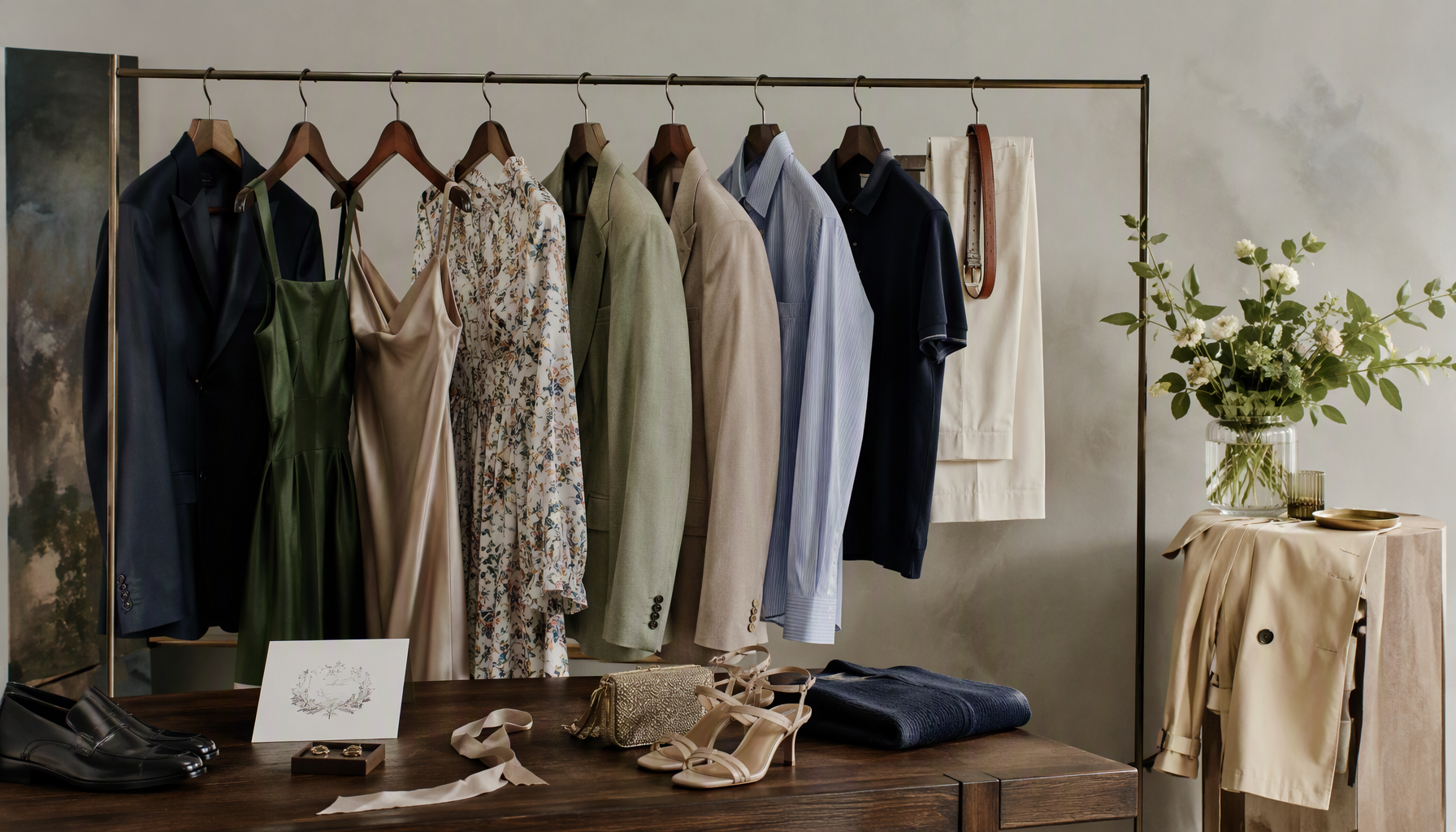
Choose the Path That Fits Your Situation
The office-event guest
Choose this path: Use a polished base that can move from work into the event.
Watch-out: a highly formal evening finish may not suit the workplace.
The evening social guest
Choose this path: Use cocktail styling with one clear statement element.
Watch-out: too many statement elements can look costume-like.
The practical commuter
Choose this path: Choose a comfortable base, secure bag, and layer that travels well.
Watch-out: delicate fabric and shoes may not survive the route.
Understand the difference
Cocktail usually signals a dressy social setting with room for color, texture, tailoring, and a more noticeable accessory. Semi-formal is broader and often more restrained, especially for daytime, professional, or family events.
Neither term determines one exact garment. A dress, tailored separates, a suit, a refined blouse, or a polished shirt can work depending on the invitation. The mistake is treating the label as more precise than it is.
Use venue and time to adjust
An evening hotel party can support more contrast, shine, texture, or formal footwear. A daytime ceremony, office event, or garden setting usually benefits from lighter color, breathable fabric, and less dramatic styling.
Look at the whole day. If you will commute, walk, or move between indoor and outdoor spaces, the most formal-looking option may become uncomfortable. A jacket, wrap, trouser, or shoe can shift the same base outfit between lanes.
Build the outfit in layers
Start with the garment or suit role, then choose shoes and accessories that establish the level of formality. A simple base can look cocktail-ready with deliberate styling, while an ornate base may be difficult to make semi-formal.
Check how the outfit behaves when the layer comes off. A jacket, cardigan, scarf, or wrap should not be the only thing making the outfit appropriate if the venue is warm or crowded.
Handle uncertainty without panic
If the event wording is vague, select a polished, adaptable outfit with a clear return route. Ask the host when possible. A slightly restrained outfit can often be elevated with accessories more easily than an overly casual one can be rescued at the door.
Do not buy based on the broadest search result. Check measurements, fabric, care, color, seller, delivery date, and returns before deciding that a product fits the dress code.
Before You Commit
- Read the invitation and identify whether the event is daytime or evening.
- Use venue and workplace context to adjust the label.
- Choose the base garment before accessories.
- Check the full outfit without the outer layer.
- Confirm fit, care, delivery, and returns.
Do not give every criterion equal weight. The right priority is the one that prevents the most likely failure in your actual situation.
Frequently Asked Questions
Is cocktail more formal than semi-formal?
Cocktail is usually a more clearly dressy social lane, while semi-formal can range from polished daytime dressing to an elevated evening outfit. Venue and invitation context matter.
Can a suit work for cocktail attire?
Yes, when the fabric, fit, shirt, shoes, and accessories create a social rather than strictly business impression.
Can I wear separates to a semi-formal event?
Yes. Refined separates can work well, especially for daytime or professional settings, if the fit, fabric, and styling are intentional.
What should I do if the dress code is unclear?
Ask the host, inspect the venue, and choose an adaptable outfit with a return route rather than guessing from a generic shopping page.
Does Gear physically test cocktail clothing?
No. Gear uses available product evidence and explains what remains uncertain.
More Gear Decision Guides
- Match the guide to the actual occasion, routine, or wardrobe gap.
- Check fit, care, weather, movement, and return risk before ordering.
- Use the special occasion dressing hub for related guides.
Continue Through the Women’s Occasion Dressing Hub
Return to the women’s occasion dressing hub for the full occasion collection, then continue with wedding or garden party. The neutral special occasion hub explains the wider event and dress-code system.