

If you are comparing women’s products online, start with the routine, fit, evidence, and tradeoffs you need the category to handle.
Gear’s decision lens: The decision here is about use case, supported product facts, variation risk, care, returns, and which compromise you can accept. Read how Gear researches guides and review the affiliate disclosure.
For an online buying guide, compare women’s fashion, beauty, workwear, bags, and everyday products by the routine they support. A work bag, a dress, a fragrance, and a household item need different evidence, even when the shopping process looks similar.
How to Compare Women’s Products Online: Quick Decision Guide
Imagine You Are…
You have opened several product pages and each one appears to solve the problem. One has the strongest rating, another has the best photo, and a third has the lowest price. The forgotten question is whether any of them actually fit the situation you need to solve.
Start with the use case, then identify the evidence that can confirm or weaken the choice. A product can be attractive, well reviewed, and still be wrong for your capacity, fit, color, care routine, office, travel day, or return tolerance.
Gear compares products using available evidence, listing information, supplied specifications, visible customer observations, and editorial interpretation. This guide does not present a universal winner. It gives you a repeatable way to make the choice clearer.
Five Questions That Make an Online Comparison Useful
| Question | What to check | Why it matters |
|---|---|---|
| Will it fit the job? | Capacity, dimensions, closure, wear pattern, compatibility, or routine fit. | A product can look right and still fail the way you use it. |
| What is actually documented? | Specifications, seller information, customer observations, images, and missing fields. | It separates evidence from marketplace language. |
| Where is the variation risk? | Clothing size, shade, material, seller version, bundle, or product option. | Variation is a common reason an online choice disappoints. |
| What is the maintenance cost? | Care, cleaning, charging, storage, replacement, and returns. | The purchase price is not the whole cost of ownership. |
| What would make you return it? | Unclear fit, missing detail, uncomfortable construction, or wrong variant. | Deciding before purchase reduces impulse buying. |
Last checked: October 4, 2026
Keyword research can show what people ask for, but it cannot prove fit, comfort, durability, or quality. Product terms and availability can change, so verify the live listing before ordering.
Commercial boundary: This educational guide contains no affiliate product links. Commercial product pages disclose their relationships separately.
Which Comparison Path Fits Your Decision?
Use the comparison path that matches the problem you are solving. Do not force every category into the same scorecard.
Clothing, fit, or workwear
Prioritize measurements, fabric, stretch, opacity, layering, care, and return terms. A model photo shows styling, not your likely fit.
Watch-out: A size label without garment measurements leaves a major uncertainty unresolved.
Bags, luggage, or carrying systems
Prioritize dimensions, device protection, capacity, pockets, closure, weight, and carry comfort. Compare the load you carry repeatedly, not the largest load you might carry once.
Watch-out: More capacity can mean more weight, while more compartments can reduce flexible packing space.
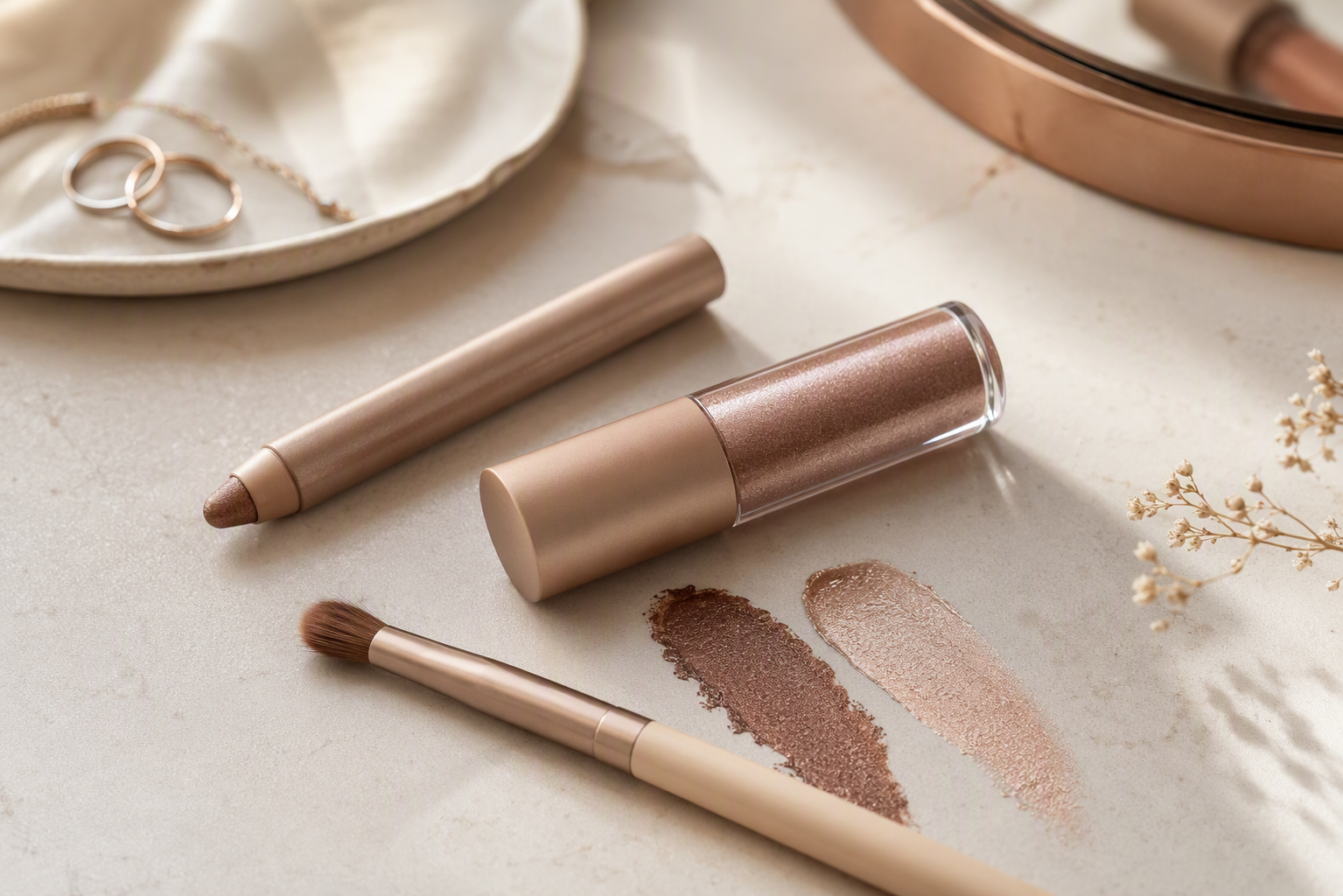
Beauty, fragrance, or personal routine
Prioritize shade or scent profile, format, ingredients, wear context, size, and care. Decide whether the product is for daily use, travel, an occasion, or gifting.
Watch-out: A popular finish or fragrance profile may still be wrong for your preferences or routine.
Home, family, or household use
Prioritize space, safety, supervision, cleaning, replacement parts, storage, and the age or household context. The right choice must fit the home after delivery.
Watch-out: A product that works in a product photo may create maintenance or storage work you did not expect.
Build a Shortlist Without Creating Confusion
A useful comparison normally needs three or four candidates. Remove products that lack the dimensions, size information, material details, or return information needed for your decision. A longer list can feel thorough while making the choice less clear.
Use a simple scorecard with five columns: fit confidence, use-case fit, evidence quality, return risk, and total cost. The score is not an objective product rating. It is a way to make your own priorities visible.
Start with the situation
Write down where and how often you will use the item. Is it for a daily commute, office work, travel, a special occasion, layering, makeup, fragrance, skincare, or a beauty routine? A work bag needs different evidence from a weekend tote. A perfume for a warm commute needs a different decision from a fragrance for evening events.
Remove unresolved risk early
Do not spend time comparing color names or small discounts when the listing does not show the measurements or return route you need. Missing information is not automatically proof that a product is poor, but it is a reason to lower confidence or find another source.
Compare the whole routine
For clothing, ask whether the item works with three pieces you already own. For bags, check whether the laptop and daily essentials fit without overloading the carry. For beauty, consider the application and storage routine. For household products, consider cleaning, power, space, and replacement needs.
What to Check Before Ordering
- Check the live seller and variant. Confirm the exact size, color, finish, bundle, and included accessories.
- Compare dimensions with something you own. A stated capacity or size becomes more useful when compared with a familiar object.
- Read care and maintenance instructions. Avoid assuming that one version has the same care needs as another.
- Review delivery and return terms. Make sure the current policy supports the reason you might return the item.
- Save important product details. A listing can change after you order, especially for size, color, seller, and stock.
Do not give every line equal weight. A missing laptop dimension can matter more than an extra pocket, and a non-returnable clothing variant can matter more than a small discount. The worksheet is useful because it exposes the reason for the decision instead of making the final choice look like a mysterious score.
Frequently Asked Questions
How many products should I compare online?
Three or four products are usually enough when they cover different tradeoffs. A longer list can create the feeling of research without making the decision clearer.
Should I trust the highest product rating?
No. Ratings can help with initial screening, but they do not replace fit, dimensions, materials, return terms, or the exact use case.
What is the most important product detail?
It depends on the category. For a bag it may be internal dimensions and carry comfort. For clothing it may be measurements and fabric. For beauty it may be shade, finish, ingredients, and routine fit.
Does Gear physically test every product?
No. Gear explains the evidence available on the product listing and other sources. We do not present supplied marketplace information as hands-on testing.
How should I handle changing prices?
Treat price as a live variable. Check the current retailer listing, seller, delivery terms, and return policy before ordering.
Online Buying Guide Checklist
- Match the product to the routine.
- Check supported specifications and missing information.
- Compare the main tradeoffs rather than every feature.
- Review current variant, seller, care, and return details.
The best online comparison gives you a reason to choose one path and a reason not to choose another. Explore the Gear buying-guide hub for more category-specific decisions.