
If you are choosing a men’s jacket for more than one season, start with the weather and layers it needs to handle, then compare formality, care, storage, and repeat use.
Gear’s decision lens: The decision here is about finding the useful layer between shirt and full outerwear, without buying a jacket that only works for one temperature or outfit. Read how Gear researches guides and review the affiliate disclosure.
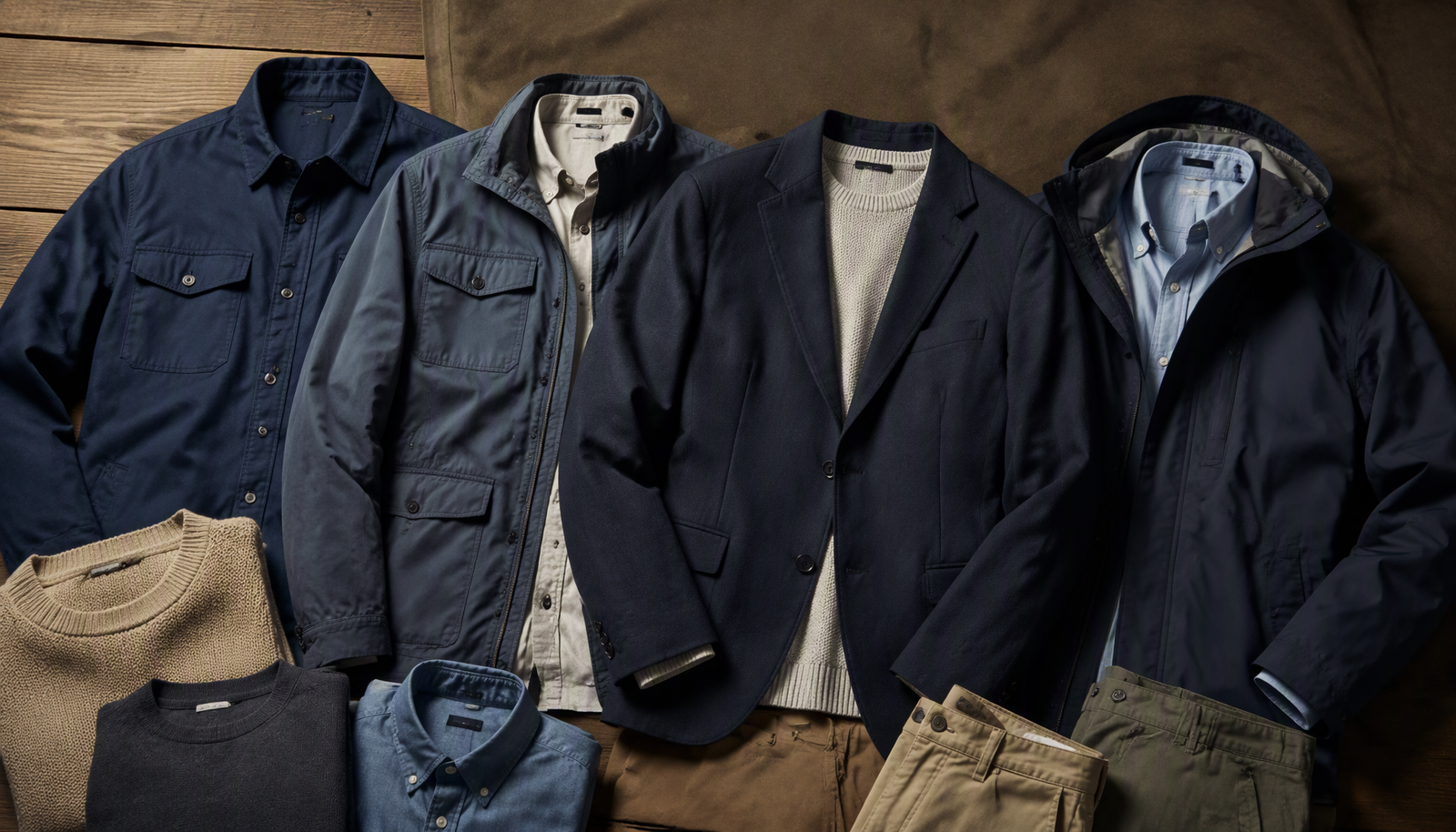
Men’s jackets can include overshirts, chore jackets, blazers, bombers, field jackets, rain layers, and lightweight outerwear. Compare climate and dress code before choosing a shape.
How to Choose a Men’s Jacket That Works Across Seasons: Quick Decision Guide
Imagine You Are…
You want one jacket for commute, office, dinners, and travel. It needs to work over a shirt or knit, fit in changing temperatures, and look intentional without becoming formal outerwear.
Start with the actual use case, then compare fit, maintenance, movement, and return risk. Start with the use case, then narrow the formality, fit, maintenance, and return risk.
Gear uses available evidence for this specific decision and identifies what remains uncertain. A men’s jacket earns its place when its weight, layers, formality, weather protection, storage, and care suit the real climate window. The guide does not present marketplace information as direct product examination.
Decision Matrix
Last checked: October 4, 2026
Keyword demand can help prioritize a question, but it cannot prove fit, comfort, durability, or event suitability. Verify the live product and venue information before ordering.
Commercial boundary: This guide is informational and contains no affiliate product links. Commercial Gear comparison pages disclose relationships separately; this article focuses on the priority is a useful bridge between shirt and full outerwear, not another layer that needs a new wardrobe..
| Situation | Decision lane | Useful starting point | Watch-out |
|---|---|---|---|
| Overshirt | Casual layering | Shirts, tees, denim, relaxed trousers | May not meet a formal office or event |
| Blazer | Polished flexibility | Work, dinners, presentations, travel | Care and fit can be more demanding |
| Field or chore jacket | Practical casual | Commute, weekend, outdoor use | Utility styling may not suit every setting |
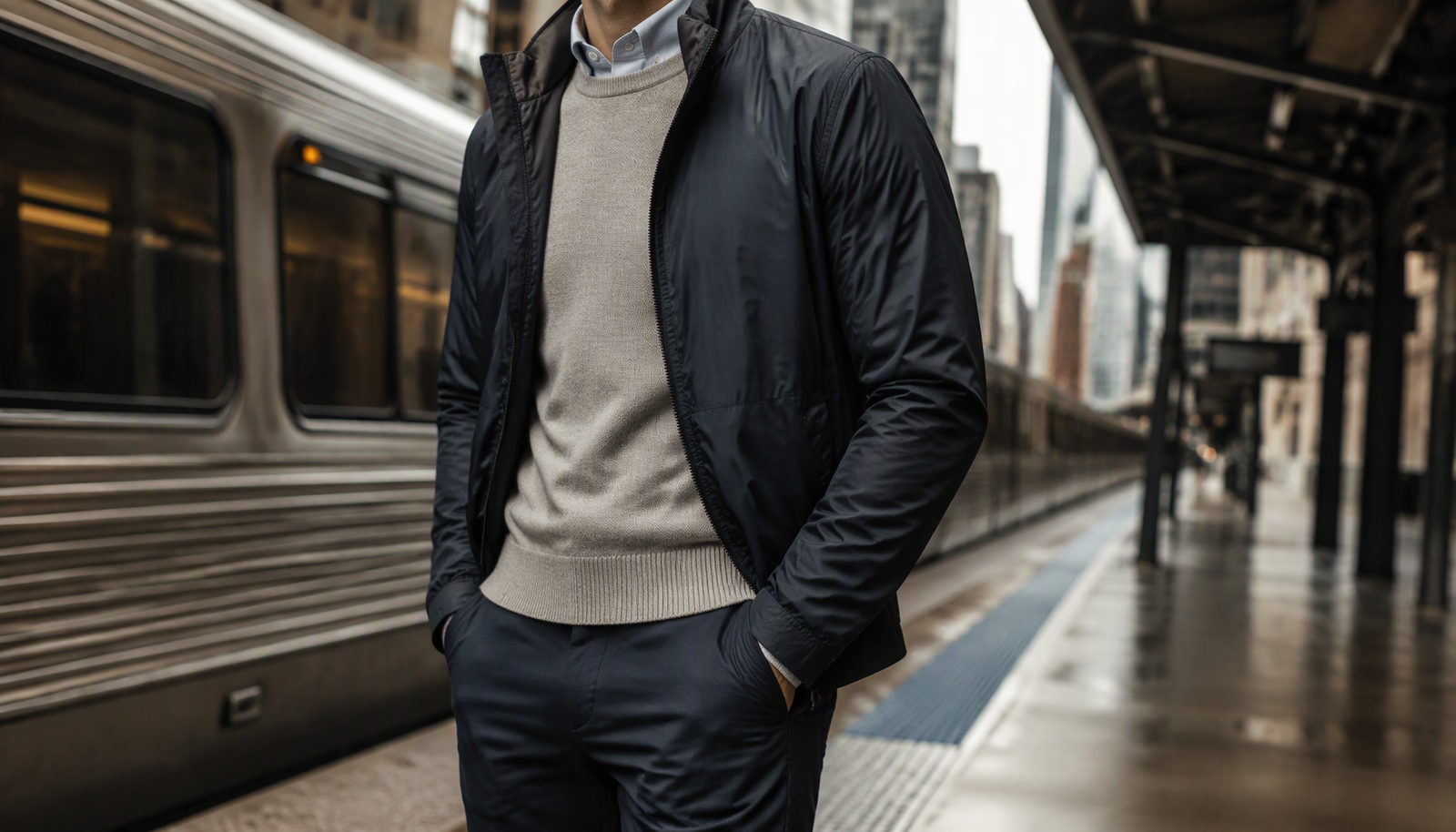
| Lightweight weather layer | Protection first | Travel, rain, wind, changing climate | May look less formal indoors |
Choose the Path That Fits Your Situation
The office-to-dinner buyer
Choose this path: Choose a structured but comfortable jacket with compatible layers.
Watch-out: formal styling may reduce weekend use.
The traveler
Choose this path: Prioritize packability, care, weather, and pocket function.
Watch-out: utility details can change formality.
The casual dresser
Choose this path: Choose a jacket that works with existing denim, knits, and shoes.
Watch-out: do not buy a layer that needs new outfits.
Start with the climate window
A jacket that works in spring may not work in a windy autumn commute, and a warm layer can become uncomfortable indoors. Define the temperature range, rain, wind, and indoor storage before buying.
Layering extends a jacket’s useful window. Check what fits under it without pulling at the shoulders or making the sleeves difficult to move.
Choose the formality lane
A blazer can move between work and dinner, an overshirt can support casual routines, and a field or utility jacket can add practical storage and weather direction. The office and event setting determine the boundary.
Do not assume a structured jacket is more versatile. A casual jacket may work across more real days if it suits the clothes and places you already use.
Check construction and care
Look for closure, pockets, lining, cuff, collar, hem, material, and care details. These determine how the jacket feels, stores, and behaves in rain or repeated wear.
A jacket that needs specialist care or loses shape in a small bag may be a poor travel choice. Maintenance should be part of the comparison, not a footnote after purchase.
Test the outfit combinations
Imagine the jacket with a shirt, knit, trouser, denim, shoe, and bag you already own. It should create several complete outfits rather than needing a new wardrobe around it.
Check proportions and movement with each layer. The useful jacket is the one you reach for because it solves a day, not because it looks good in isolation.
Before You Commit
- Define temperature, rain, wind, and indoor use.
- Choose formality based on real destinations.
- Check layering, closures, pockets, materials, and care.
- Try the jacket with existing outfits.
- Review storage, delivery, and returns.
The priority is a useful bridge between shirt and full outerwear, not another layer that needs a new wardrobe. The most useful final check is the one that prevents the likely failure in this situation, whether that is wrong formality, poor movement, missing weather protection, unclear fit, or unnecessary care.
Frequently Asked Questions
What is the most versatile men’s jacket?
The most versatile jacket depends on the workplace, climate, wardrobe, and commute. A blazer, overshirt, or lightweight field layer may each be right for different routines.
Can one jacket work across seasons?
Layering can extend a jacket’s use, but no single weight or construction suits every temperature and weather condition.
What should fit under a men’s jacket?
The intended shirt, knit, or layer should fit without shoulder pulling, sleeve restriction, or excessive bulk.
Should a men’s jacket have lots of pockets?
Pockets help practical use, but their number and placement can change the jacket’s appearance and weight. Choose by what you carry.
Does Gear test men’s jackets?
No. Gear uses available specifications and explains care, weather, fit, and context tradeoffs.
More Gear Decision Guides
- Match the guide to the actual occasion, routine, or wardrobe gap.
- Check fit, care, weather, movement, and return risk before ordering.
- Use the mens style buying guides hub for related guides.