
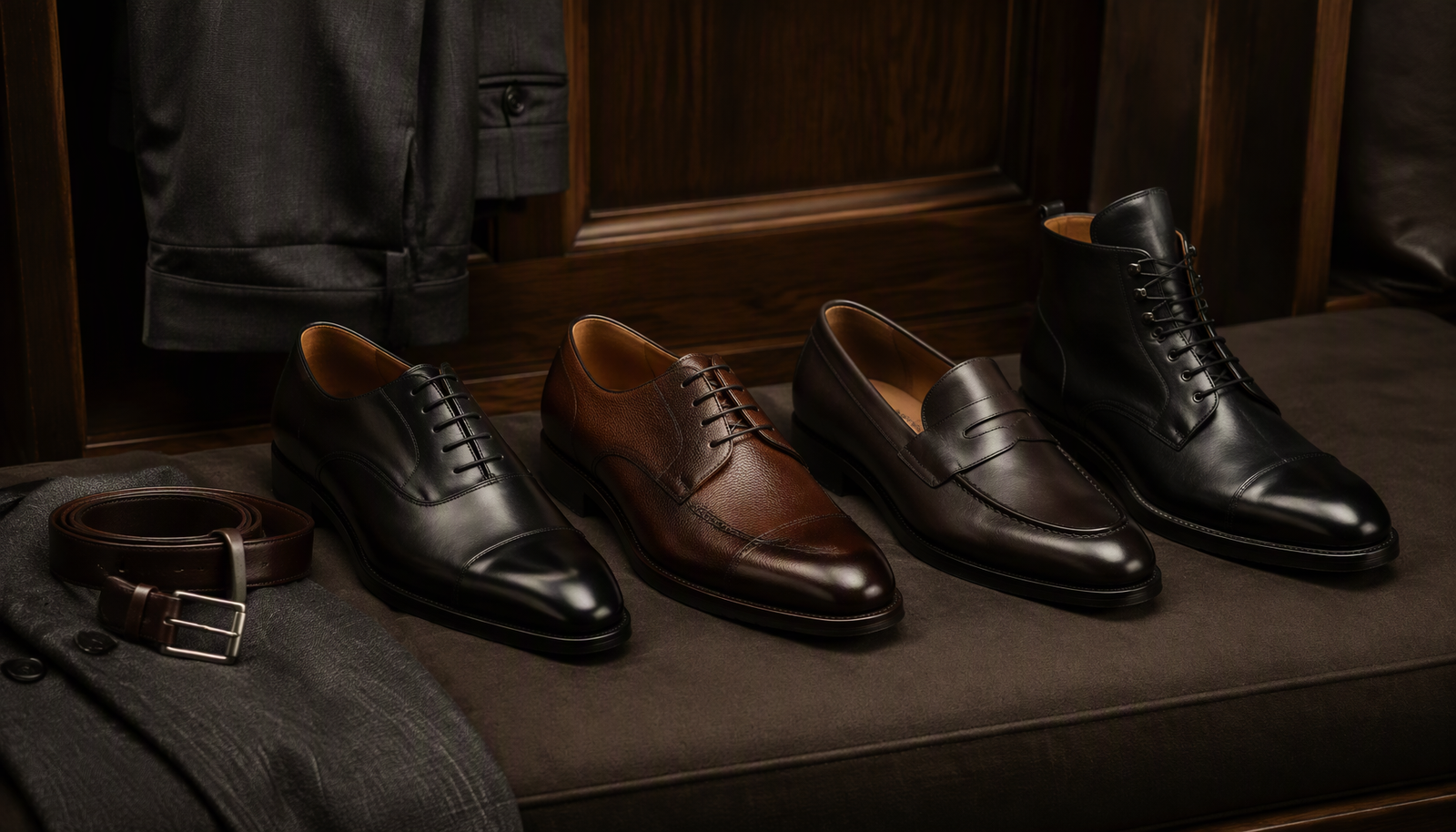
If you are comparing men’s dress shoes for work and events, start with the walking, formality, fit, weather, care, and outfits the shoes must support.
Gear’s decision lens: The decision here is about choosing a shoe that looks appropriate and remains wearable through the day, rather than buying by silhouette or product title alone. Read how Gear researches guides and review the affiliate disclosure.
Men’s dress shoes can include oxfords, derbies, loafers, monk straps, boots, and dress sneakers where allowed. Compare the role, surface, care, fit, and repeat use before deciding.
How to Compare Men’s Dress Shoes for Work and Events: Quick Decision Guide
Imagine You Are…
You need one pair for office days, a wedding, and occasional dinners. A highly formal shoe may be too narrow in use, while a casual shoe may not meet the event or workplace standard.
Start with the actual use case, then compare fit, maintenance, movement, and return risk. Start with the use case, then narrow the formality, fit, maintenance, and return risk.
Gear uses available evidence for this specific decision and identifies what remains uncertain. Men’s dress shoes should be compared by formality, width, walking, ground, break-in time, care, and repeat use. The guide does not present marketplace information as direct product examination.
Decision Matrix
Last checked: October 4, 2026
Keyword demand can help prioritize a question, but it cannot prove fit, comfort, durability, or event suitability. Verify the live product and venue information before ordering.
Commercial boundary: This guide is informational and contains no affiliate product links. Commercial Gear comparison pages disclose relationships separately; this article focuses on the priority is the highest-frequency role rather than a silhouette that only works for one formal event..
| Situation | Decision lane | Useful starting point | Watch-out |
|---|---|---|---|
| Oxford | Higher formality | Office, formal events, tailored clothing | Fit and comfort may be less flexible |
| Derby | Flexible formality | Work, events, and broader daily use | Shape and sole change the level |
| Loafer | Easy access and social flexibility | Work, dinners, travel where appropriate | Heel security and office rules matter |
| Dress boot or sneaker | Context-dependent | Weather, creative workplace, or relaxed events | Confirm the setting before treating it as formal |
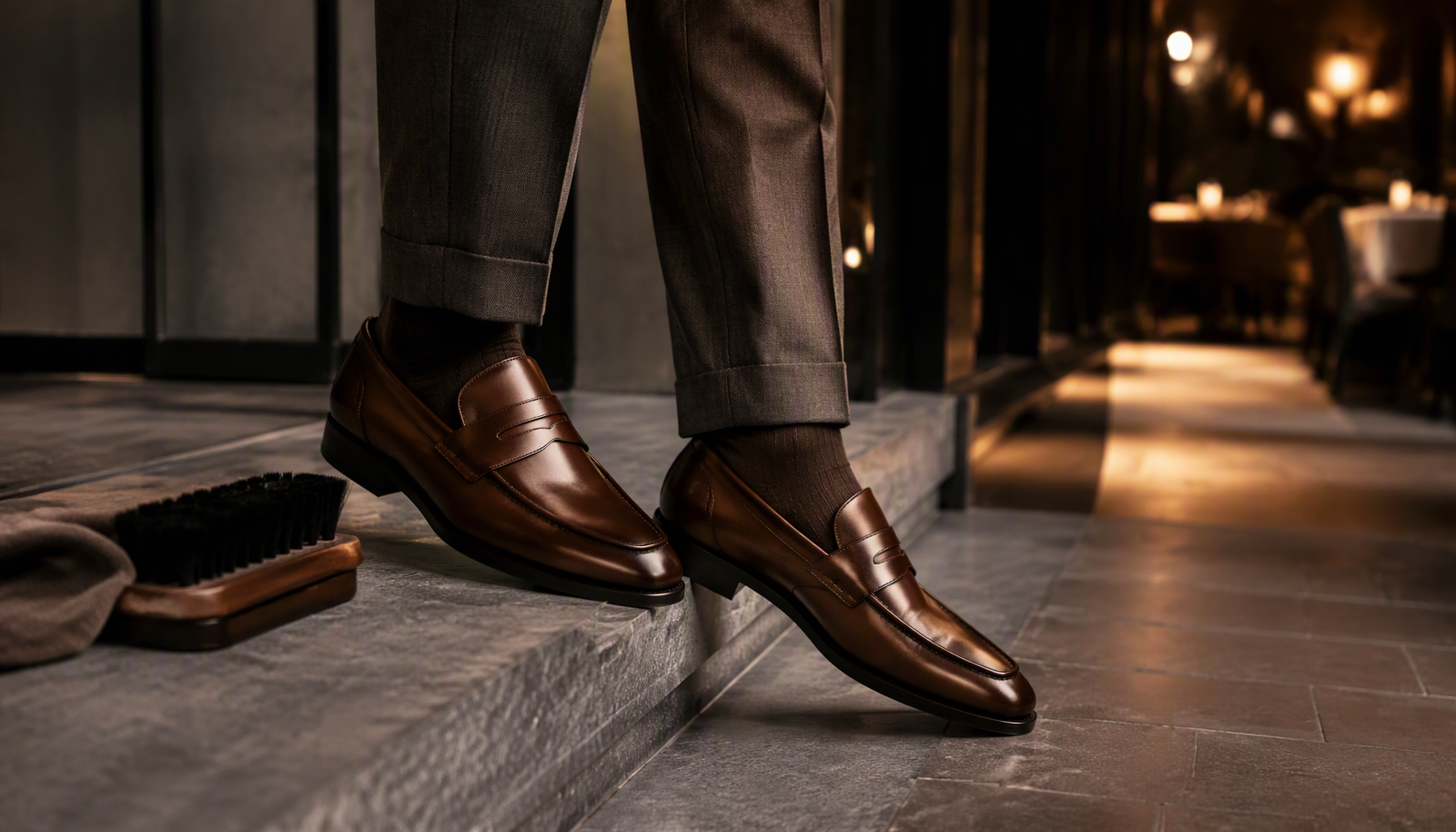
Choose the Path That Fits Your Situation
The one-pair buyer
Choose this path: Choose the most frequent role and a flexible formality.
Watch-out: one pair cannot solve every dress code.
The commuter
Choose this path: Prioritize walking, sole, weather, and care.
Watch-out: a polished shoe can still be impractical on the route.
The event buyer
Choose this path: Choose by the event surface, formality, and break-in time.
Watch-out: do not debut an untested shoe on the event day.
Choose the formality role
Oxfords often read as more formal, derbies can offer a slightly more flexible direction, loafers can move between work and social settings, and boots or dress sneakers depend strongly on workplace and event context.
The category label is not enough. Shape, color, material, sole, condition, and styling change the impression. Compare the full role the shoe needs to play.
Check fit beyond length
Width, arch, heel slip, toe room, and sock choice can matter as much as stated size. Use the seller’s fit information and compare with a shoe you already own when possible.
Break-in is a risk, not a badge of quality. If a shoe will be worn at a wedding or work event soon, plan enough time to test it safely and confirm the return policy.
Think about walking and weather
A dress shoe may look right but fail on long commutes, outdoor venues, rain, heat, or uneven ground. Check sole, traction, material care, and how the shoe can be stored.
A second practical pair may be better than forcing one shoe to do every job. If the goal is one pair, choose the highest-frequency situation first.
Include care in the cost
Polishing, brushing, conditioning, drying, storage, and replacement can affect whether a shoe earns repeat wear. Material and construction claims should be verified on the live listing.
A lower price is not automatically a better value if the shoe creates discomfort or maintenance you will not keep up with. The right comparison includes time as well as money.
Before You Commit
- Define work, event, commute, and weather roles.
- Compare width, heel, toe room, and stated fit guidance.
- Check sole, material, care, and storage.
- Allow break-in and return time.
- Choose frequency before fantasy use.
The priority is the highest-frequency role rather than a silhouette that only works for one formal event. The most useful final check is the one that prevents the likely failure in this situation, whether that is wrong formality, poor movement, missing weather protection, unclear fit, or unnecessary care.
Frequently Asked Questions
What are the most versatile men’s dress shoes?
A flexible derby, loafer, or restrained dress shoe may cover more situations than a highly formal option, but workplace and event rules matter.
Are oxfords or derbies better for work?
It depends on formality, comfort, fit, and workplace context. Oxfords often read more formal, while derbies can be more flexible.
How should men’s dress shoes fit?
They should provide toe room, secure the heel, suit the width, and remain comfortable for the intended walking and standing.
Can dress shoes be worn to an outdoor wedding?
Yes, if the formality, sole, material, and ground suit the event. Check walking and weather rather than relying on the silhouette.
Does Gear test men’s shoes?
No. Gear uses available product evidence and explains fit, care, and context limitations.
More Gear Decision Guides
- Match the guide to the actual occasion, routine, or wardrobe gap.
- Check fit, care, weather, movement, and return risk before ordering.
- Use the mens style buying guides hub for related guides.