
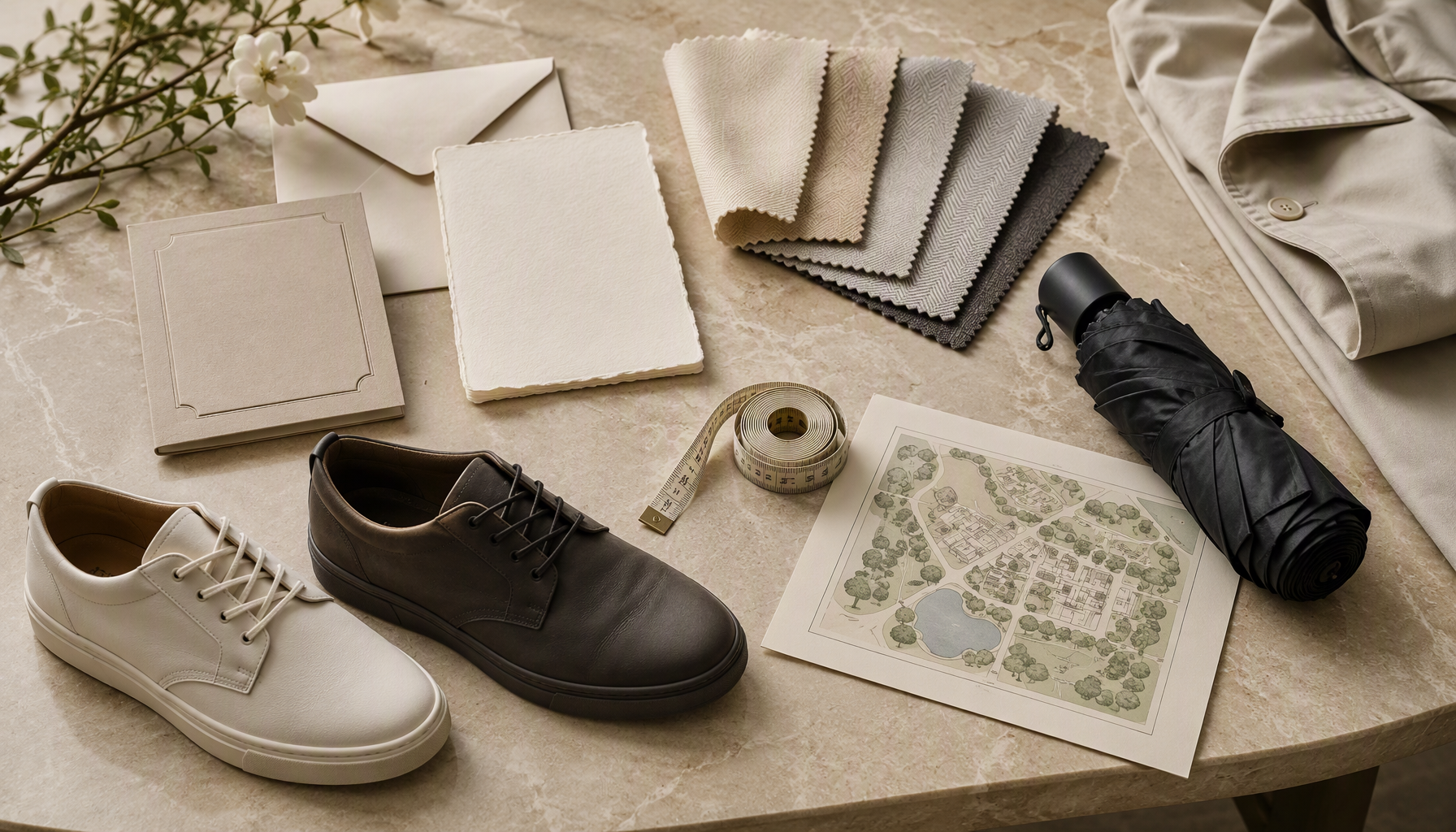
If you are deciding what to wear to a wedding, start with the dress code, venue, time of day, season, and your role in the event before choosing a garment or color.
Gear’s decision lens: The decision here is about matching formality to the invitation while keeping weather, walking, comfort, cultural context, and return risk visible. Read how Gear researches guides and review the affiliate disclosure.
Wedding guest outfits can change completely between black tie, cocktail, garden, beach, formal, and casual settings. The safest starting point is the invitation and venue, not a generic wedding outfit photo.
What to Wear to a Wedding by Dress Code: Quick Decision Guide
Imagine You Are…
You have found an outfit that looks appropriate online, but the invitation says outdoor ceremony, the reception is formal, and the forecast may change. The best choice needs to work for the ceremony, photographs, walking, temperature, and the formality expected by the couple.
Start with the actual use case, then compare fit, maintenance, movement, and return risk. Start with the use case, then narrow the formality, fit, maintenance, and return risk.
Gear uses available evidence for this specific decision and identifies what remains uncertain. Wedding invitations, venue formality, season, and the guest’s role should control this decision. The guide does not present marketplace information as direct product examination.
Decision Matrix
Last checked: October 4, 2026
Keyword demand can help prioritize a question, but it cannot prove fit, comfort, durability, or event suitability. Verify the live product and venue information before ordering.
Commercial boundary: This guide is informational and contains no affiliate product links. Commercial Gear comparison pages disclose relationships separately; this article focuses on the priority is an outfit that respects the event and still works through weather, photographs, movement, and the full day..
| Situation | Decision lane | Useful starting point | Watch-out |
|---|---|---|---|
| Black tie | Most formal evening lane | Structured formalwear, refined shoes, careful accessories | Venue and invitation wording still control the final choice |
| Formal or black tie optional | Polished and elevated | A formal base with a controlled color and accessory plan | Do not assume one universal silhouette |
| Cocktail | Dressy social setting | Shorter, tailored, or evening-ready formats | Balance style with venue and movement |
| Garden, beach, or outdoor | Context-led formality | Breathable fabrics, practical shoes, useful layers | Ground, wind, heat, and travel can change the decision |

Choose the Path That Fits Your Situation
The formal evening guest
Choose this path: Use the most polished lane supported by the invitation and venue.
Watch-out: formal does not remove fit, care, or comfort risk.
The outdoor ceremony guest
Choose this path: Prioritize a refined base plus a useful layer and walkable shoe.
Watch-out: a delicate shoe or fabric may fail on the route between spaces.
The uncertain guest
Choose this path: Ask the host and choose a returnable option that can be styled up or down.
Watch-out: guessing is more expensive than clarifying the dress code.
Read the invitation as a practical brief
The dress code is the clearest signal, but it is not the only one. Venue, start time, season, cultural expectations, and whether the event is indoors or outdoors help you judge how polished, covered, structured, or weather-ready the outfit should be.
If the invitation is unclear, look at the venue and ask a host rather than guessing from a product title. A hotel ballroom, garden, beach, courthouse, and barn reception can all support different fabrics, shoes, layers, and levels of formality.
Choose the formality lane
Black tie usually calls for the most formal evening direction. Formal or black-tie-optional events need a polished outfit without assuming every guest wears the same silhouette. Cocktail usually allows a shorter, more flexible, or more colourful route while still looking intentional.
Semi-formal and dressy-casual events need the most context. Start with a refined base, then adjust the shoe, jacket, jewellery, tie, bag, or layer to match the venue and time. Avoid treating casual as permission to wear something that looks unfinished.
Plan for weather and movement
Outdoor weddings create a second decision after the outfit: can you stand, walk on grass, sit, carry a layer, and stay comfortable when the temperature changes? Choose footwear and layers with the ground and travel route in mind.
Do not sacrifice the event entirely for a product photo. A wrap, jacket, breathable fabric, comfortable shoe, or secure bag can make the outfit work through the entire day. Check care and storage before ordering delicate or highly structured pieces.
Avoid the common wedding guest mistakes
Do not assume the most dramatic option is the most appropriate. Avoid ignoring the dress code, wearing a color or silhouette that conflicts with the event instructions, or buying a size with no return route.
Also avoid buying a complete outfit before checking what you already own. A dress, suit, blouse, jacket, shoe, or accessory may become more useful when paired with existing pieces, reducing cost and last-minute risk.
Before You Commit
- Save the invitation wording and venue details.
- Check dress code, time, weather, and travel route.
- Choose the formality lane before selecting a product.
- Verify size, color, care, seller, and return terms.
- Test the complete outfit with shoes and a practical layer.
The priority is an outfit that respects the event and still works through weather, photographs, movement, and the full day. The most useful final check is the one that prevents the likely failure in this situation, whether that is wrong formality, poor movement, missing weather protection, unclear fit, or unnecessary care.
Frequently Asked Questions
What should I wear to a wedding if there is no dress code?
Use the venue, time, season, and formality of the invitation as signals, then ask the host if the setting is ambiguous. A polished, adaptable outfit is safer than an extreme interpretation.
Can I wear black to a wedding?
Black may work for many evening or formal settings, but cultural expectations and the event style matter. Check the invitation and avoid treating a color rule as universal.
What should I wear to an outdoor wedding?
Plan for walking, ground, wind, temperature, and a layer. Choose footwear and fabric that can handle the actual route, not only the ceremony photograph.
How early should I buy a wedding outfit online?
Allow time for delivery, fit review, alterations, and a return or exchange. The right window depends on the seller and event, so check the live policy before ordering.
Does Gear test the wedding outfits it mentions?
No. Gear explains available product evidence and decision tradeoffs rather than presenting marketplace information as hands-on testing.
More Gear Decision Guides
- Match the guide to the actual occasion, routine, or wardrobe gap.
- Check fit, care, weather, movement, and return risk before ordering.
- Use the special occasion dressing hub for related guides.
Choose Your Audience Lane
This neutral occasion overview explains the event context. For audience-specific fit, movement, comfort, and clothing formulas, continue to the women’s occasion hub, “, or “.